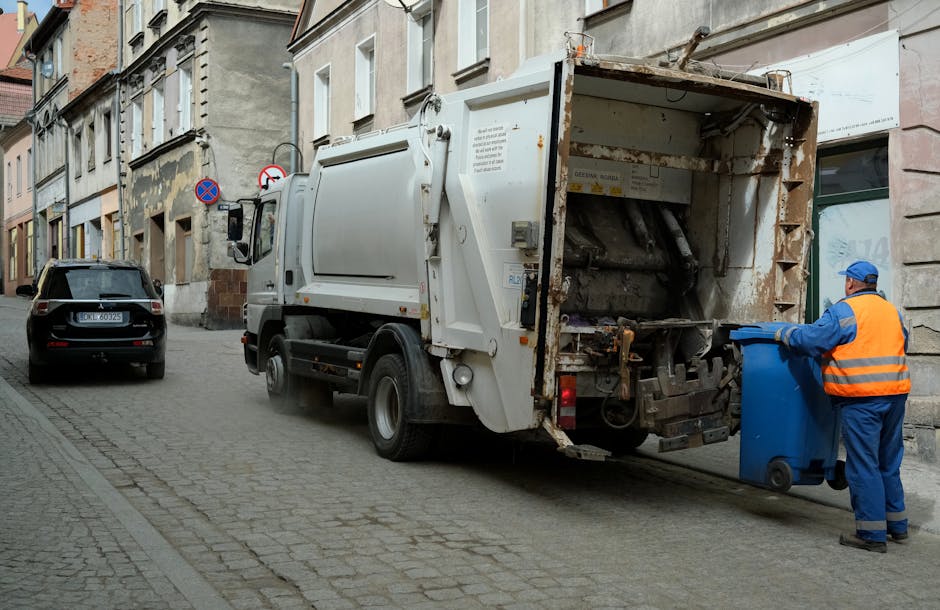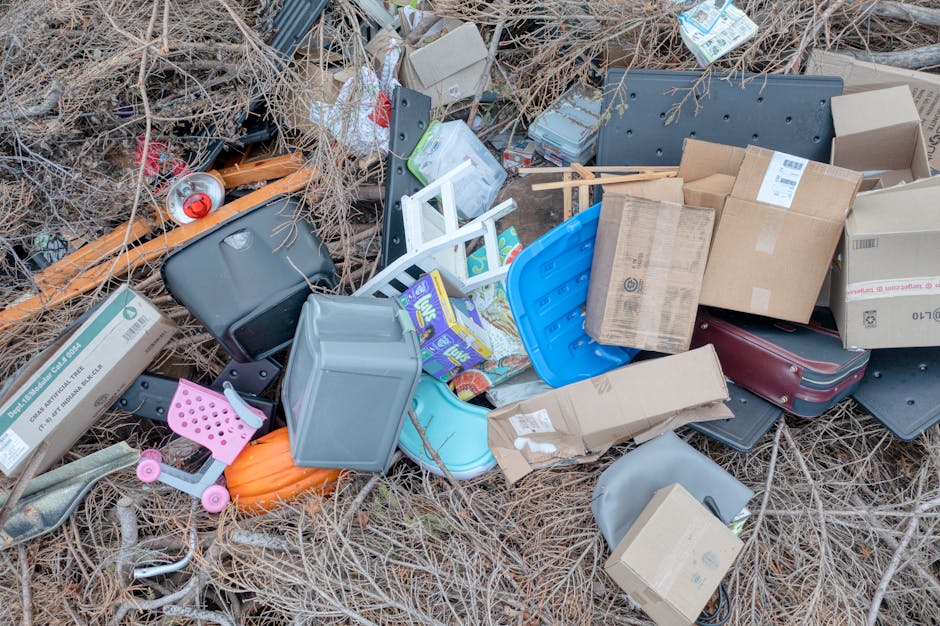
North Plaistow estate rubbish removal tips: a practical guide for cleaner, easier clearances
If you live on an estate in North Plaistow, rubbish removal can feel oddly complicated. You might have bulky items in a narrow hallway, a bin store that's already full, or a last-minute clear-out that needs handling without upsetting neighbours. Good North Plaistow estate rubbish removal tips are really about making the job simpler, safer, and less stressful. Done well, you save time, avoid mistakes, and keep shared spaces tidy. And let's face it, nobody wants to be the person leaving an old wardrobe in the wrong place at the wrong time.
This guide breaks down how estate rubbish removal works in practice, what to watch out for, and how to plan a clearance that fits everyday life in North Plaistow. You'll find step-by-step advice, common pitfalls, a comparison of disposal methods, and a realistic checklist you can use before anything goes out the door.
- Why estate rubbish removal matters
- How the process works
- Key benefits and practical advantages
- Who this is for
- Step-by-step guidance
- Expert tips for better results
- Common mistakes to avoid
- Tools, resources and recommendations
- Law, compliance, standards and best practice
- Options and comparison table
- Real-world example
- Practical checklist
- Conclusion
- Frequently asked questions
Why North Plaistow estate rubbish removal tips Matters
Estate living changes the way rubbish needs to be handled. On a house with a front garden, you can often stage items more easily. On a North Plaistow estate, though, you're usually dealing with shared entrances, limited parking, tighter stairwells, and more people passing through the same space. That means a simple clearance can turn messy very quickly if you don't plan it properly.
There's also the neighbour factor. Estate corridors echo. A dragged chair sounds louder than it should at 8:15 in the morning, and one abandoned bag can become a shared headache by lunchtime. The best rubbish removal tips in this setting are the ones that reduce disruption, keep access routes clear, and respect the people around you.
It matters for safety too. Bags left on landings, broken glass in loose boxes, or overloaded furniture in a communal area can create trip hazards. If items are heavy or awkward, they can also damage walls, railings, and flooring. That kind of avoidable damage can become expensive in a hurry. Truth be told, a little organisation goes a long way.
How North Plaistow estate rubbish removal tips Works
The basic process is straightforward: sort the waste, decide what can be reused or recycled, choose the most suitable disposal method, and move everything out safely. The tricky part on an estate is logistics. You need to think about timing, access, carrying distance, shared bins, and whether anything needs specialist handling.
In practice, good estate rubbish removal usually follows a pattern like this:
- Identify the waste type and volume.
- Separate reusable items from true rubbish.
- Check whether anything is bulky, heavy, sharp, or hazardous.
- Choose between self-haul, skip hire, or a professional clearance.
- Arrange the move-out time so it works for the building and your neighbours.
- Remove the waste in a way that keeps communal areas tidy.
A professional clearance service can be especially useful when the job includes mixed waste, awkward furniture, or time-sensitive removal. If you're looking at a whole-flat clearance, a loft build-up, or a garage that has become a catch-all for things you meant to deal with "next weekend", using a structured service such as home clearance or flat clearance can take a lot of pressure off the day.
The main thing is not to treat an estate like a private driveway. Shared buildings need a bit more care. Simple, but easy to forget when you're standing in front of three bags, an old lamp, and a wobbly chest of drawers.
Key Benefits and Practical Advantages
When rubbish is cleared properly, the benefits are obvious, but a few are easy to overlook.
- Less clutter in shared spaces - no blocked hallways, no awkward bin-store overflow.
- Safer movement - fewer trip hazards and less chance of accidental damage.
- Better recycling outcomes - sorting ahead of time makes it easier to recover useful materials.
- Faster turnaround - a well-planned clearance usually takes far less time.
- Lower stress - the job feels manageable instead of endless.
- More respectful of neighbours - especially in blocks where noise carries.
There's also a practical money angle. A tidy, pre-sorted load tends to be easier to price accurately than a mystery pile of mixed bits. That matters if you're checking pricing and quotes before booking. Even if you're not comparing exact numbers, having a clear idea of volume and item type can help avoid surprises later.
Expert summary: On estates, the best rubbish removal is rarely the fastest one on paper. It's the one that balances access, safety, neighbour consideration, and proper sorting. A calm, methodical clearance nearly always beats a rushed one.
Who This Is For and When It Makes Sense
North Plaistow estate rubbish removal tips are useful for a wide range of people, not just landlords or housing managers. In fact, everyday residents often need them most.
- Tenants doing a move-out clean or dealing with accumulated household waste.
- Homeowners in estate flats or maisonettes clearing bulky items.
- Landlords and agents preparing a property between occupancies.
- Housing associations or resident reps managing shared-area waste pressures.
- Small businesses working from estate units or converted spaces.
It makes sense whenever the waste is more than a few bin bags, or when items can't be safely left out for routine collection. That often includes old furniture, broken appliances, garden cuttings after a tidy-up, loft clutter, or builders' leftovers after a refurbishment. If your job is more renovation-related, builders waste clearance may be a better fit than a general rubbish pick-up.
It also makes sense if you're dealing with a specific type of item. A mattress, for example, is awkward in a stairwell and never as light as you remember when you bought it. Sofas, fridges, and office chairs can be similar. For those, specialist services like mattress and sofa disposal or fridge and appliance removal are often the cleaner, safer route.
Step-by-Step Guidance
If you want the process to go smoothly, the safest approach is to work in stages. It's boring, maybe, but it works.
1. Walk the job before you start
Look at everything you want removed. Ask yourself: what is bulky, what is sharp, what is recyclable, and what needs special handling? If you are clearing a whole property, services like house clearance or loft clearance can be a better fit than trying to piece the job together yourself.
2. Sort by type
Make three rough groups: keep, donate/reuse, and remove. Do not skip this step. It sounds obvious, but mixed piles are where jobs become slower and pricier. Broken plastic, cardboard, old clothes, and furniture all behave differently once they're in a heap.
3. Check for special items
Hazardous or sensitive items need extra care. Paint, solvents, fluorescent tubes, old batteries, and some cleaning products should never be dumped with general rubbish. If you suspect something needs specialist treatment, review hazardous waste disposal before moving it anywhere.
4. Protect the route out
On an estate, the route matters almost as much as the rubbish itself. Clear the hallway. Open doors fully. Remove loose rugs if they're in the way. If possible, put cardboard down in places where corners might scrape. A tiny bit of preparation saves a lot of repair work.
5. Choose the right disposal method
For smaller volumes, you may just need a straightforward collection. For larger or mixed clearances, a planned removal is usually easier. If you're unsure what can be loaded into a skip versus what needs separate handling, the guide on what can go in a skip is a useful starting point.
6. Book with the building in mind
If parking is tight or access is shared, arrange the collection for a time when the building is quieter. Mid-morning is often simpler than school-run chaos or late-afternoon foot traffic. That small timing choice can make the entire job feel less pressured.
7. Final sweep and check
Once the waste is gone, check corners, under shelves, and behind doors. Small things have a habit of hiding in plain sight. A last walk-through catches the little bits that make a space feel properly finished.
Expert Tips for Better Results
Here are the tips that tend to make the biggest real-world difference on North Plaistow estates.
- Bundle by destination, not by room. Put all recycling together, all general rubbish together, and all items for reuse together. It's faster later.
- Label awkward items. A simple sticky note on a "keep" box avoids accidental removal. You'd be surprised how often that helps.
- Disassemble where sensible. Flat-pack furniture, bed frames, and shelving are much easier to carry in smaller pieces.
- Use bags that won't split. Thin sacks are a false economy. If one tears on the stairs, the whole job becomes more annoying than it should be.
- Keep sharp edges wrapped. Tape over broken metal or glass edges before moving them.
- Think about noise. Avoid dragging items across floors if you can lift, slide on cardboard, or carry in pairs.
- Plan for the last 10 percent. The final few items usually take longer than expected. Funny how that happens every time.
If the clearance is linked to business use, office fit-out waste, or records-heavy premises, it may be worth looking at office clearance or, where paperwork is involved, confidential shredding. That helps keep things tidy and reduces the risk of sensitive material being mixed into general waste.
And if you are handling furniture-heavy jobs, it often pays to read up on furniture disposal before you start. Old wardrobes, sofas, tables, and chairs all need different handling depending on condition and material.
Common Mistakes to Avoid
A lot of clearance problems come from the same handful of errors. Once you know them, they're easy enough to avoid.
- Leaving bags in communal areas for "just a bit" too long. That rarely ends well.
- Mixing hazardous items into general waste because they look harmless.
- Underestimating weight and trying to carry too much at once.
- Ignoring access restrictions such as locked gates, narrow stairwells, or timed parking limits.
- Forgetting about recycling separation until the pile is already messy.
- Booking too late and then scrambling when the property has to be clear by morning.
One especially common mistake is assuming every clearance can be done the same way. It can't. A garage packed with old paint tins is a different job from a single room full of unused furniture. If you're dealing with storage spaces in particular, garage clearance is often more suitable than a generic rubbish collection.
Another one: people often forget that mattress and sofa disposal is awkward not because it's glamorous, but because it is large, soft, and hard to manoeuvre safely. That's just the truth of it.
Tools, Resources and Recommendations
You do not need fancy equipment, but a few practical tools can make estate rubbish removal much easier.
- Heavy-duty bags for loose rubbish and smaller items.
- Work gloves with a decent grip for lifting and sorting.
- Marker pen and labels to separate keep, remove, and recycle piles.
- Basic hand tools for dismantling furniture where safe to do so.
- Tape and wrap for glass, cords, or sharp edges.
- Flat cardboard or blankets for protecting floors and walls during movement.
For larger domestic jobs, a service such as furniture clearance or waste removal can save a lot of back-and-forth. If you're doing a full property refresh or declutter, it may also help to compare this with home clearance so you pick the level of service that matches the job rather than overcomplicating it.
For outdoor spillover, such as overgrown planters, old fencing pieces, or bags of hedge trimmings, garden clearance can be the cleaner option. It is surprising how often a "small garden tidy" turns into a trolley-load of mixed waste by the end of the afternoon.
Law, Compliance, Standards, or Best Practice
For rubbish removal in the UK, the key rule of thumb is simple: waste should be handled responsibly, and it should not be left in a way that creates nuisance, obstruction, or risk. On estates, that means you need to be extra careful with shared spaces and building rules. If you're a tenant, landlord, or property manager, it is wise to check the terms that apply to the building and any disposal arrangements already in place.
Best practice usually includes:
- keeping communal corridors, entrances, and fire routes clear;
- sorting waste so recyclable materials are not needlessly mixed;
- separating hazardous items from ordinary rubbish;
- using a properly insured and safety-conscious provider where needed;
- avoiding fly-tipping or leaving items in unauthorised areas.
If you are choosing a clearance provider, it is sensible to check their insurance and safety approach and understand the service terms in terms and conditions. That is not overcautious; it is just sensible, especially for a shared residential site where access, damage, or waste handling can become complicated quickly.
You may also want to look at sustainability practices. A good clearance plan should not feel wasteful by default. The more you can reuse, separate, or recover, the better. That is why pages like recycling and sustainability matter for people making practical decisions, not just for people who like neat paperwork.
For privacy-related concerns, especially if old paperwork or storage items include personal documents, confidential shredding is a sensible option. Loose bank letters and old tenancy papers should never be left to drift into mixed rubbish. Simple thing, but worth saying.
Options, Methods, or Comparison Table
There are a few ways to handle rubbish removal on a North Plaistow estate. The right one depends on volume, item type, access, and how much work you want to do yourself.
| Method | Best for | Strengths | Watch-outs |
|---|---|---|---|
| Self-haul | Small loads, light bags, simple trips | Direct control, useful for tiny clearances | Time-consuming, lifting risk, multiple journeys |
| Skip hire | Ongoing DIY work or bulk disposal | Good for volume and staged loading | Space needed, item restrictions, access planning required |
| Professional rubbish removal | Bulky, mixed, or urgent estate clearances | Fast, less lifting, better for awkward access | Needs clear instructions and accurate item list |
| Specialist disposal | Appliances, hazardous waste, sensitive items | Safer handling and proper separation | Not suitable for general mixed rubbish |
If you are still weighing up whether a skip makes sense, the guide on what can go in a skip is worth a look. It helps avoid the common mistake of booking one and then discovering half the pile doesn't belong there. Annoying, but easy to prevent.
Case Study or Real-World Example
A typical North Plaistow estate scenario goes like this. A resident is moving out of a two-bedroom flat after years of accumulating furniture, boxes, and a few forgotten items in a storage cupboard. The hallway is narrow, the lift is small, and the building has shared access that gets busy in the early evening.
Instead of moving everything in one go, the resident sorts the items over a couple of hours. Reusable books and kitchenware are boxed separately. A damaged chair, old mattress, and broken shelves are set aside for removal. A couple of bags with mixed household waste are consolidated so they do not tear on the stairs. Because there is also some bulky furniture involved, the resident decides to use a service better suited to larger items rather than trying to wrestle everything into a car boot.
The result is not dramatic. No fanfare. But that's kind of the point. The clearance is calmer, the corridor stays clear, and the flat is ready without the usual late-night panic. On estates, small practical decisions have a big effect.
That same approach works for garages, lofts, and home refreshes too. If you're dealing with a larger reset, services like garage clearance and loft clearance can help you avoid the "I'll sort it later" trap that so often turns into a whole weekend lost.
Practical Checklist
Use this checklist before any estate rubbish removal job. It's simple, but very effective.
- Have I sorted items into keep, recycle, donate, and remove?
- Are there any hazardous or sensitive items that need separate handling?
- Have I checked access, parking, and lifting routes?
- Are communal areas clear enough to move items safely?
- Have I protected floors, walls, or corners where needed?
- Do I know which items are bulky or need disassembly?
- Is the collection time sensible for the building and neighbours?
- Have I confirmed the disposal method matches the waste type?
- Do I know who is responsible for what, if I share the space with others?
- Have I done a final sweep for small items, paperwork, or loose parts?
If you can tick most of those off, you are already ahead of the curve. Not perfect. Just much less likely to run into avoidable problems.
Get a free quote today and see how much you can save.
Conclusion
Good North Plaistow estate rubbish removal tips are really about being prepared, respectful, and realistic. The best clearance is usually the one that looks quiet and uneventful from the outside because somebody did the planning properly behind the scenes. That means sorting waste early, protecting shared areas, choosing the right disposal method, and treating bulky or hazardous items with the care they deserve.
If you remember only one thing, make it this: on an estate, the route out matters almost as much as the rubbish itself. Get that part right and the rest becomes far easier. And if the job feels bigger than you first thought, that is completely normal. Most clear-outs do. The trick is simply to start well, breathe, and work through it in order.
A tidy estate feels better to live in. Simple as that.
Frequently Asked Questions
What is the best way to remove rubbish from a North Plaistow estate flat?
The best method depends on volume and item type. Small amounts may be manageable with careful self-haul, but bulky or mixed waste is usually easier with a professional clearance or a properly planned skip arrangement.
Can I leave rubbish in a communal hallway before collection?
It is usually a bad idea. Shared hallways need to stay clear for safety and access. If you must stage items briefly, keep them tidy, out of fire routes, and only for the shortest possible time.
What items need special care during estate rubbish removal?
Hazardous items, electronics, fridges, mattresses, sofas, sharp broken pieces, and paperwork with personal information all need extra thought. Some items should be separated rather than mixed with general waste.
How do I know whether to use a skip or a clearance service?
If you have a steady stream of waste from DIY or renovation work, a skip may suit you. If the items are bulky, awkward, or need lifting from a flat or shared building, a clearance service is often more practical.
Is furniture removal different from normal rubbish removal?
Yes. Furniture is heavier, bulkier, and more awkward to move through stairwells and corridors. Sofas, wardrobes, and bed frames often need separate handling or dismantling.
What should I do with old appliances on an estate?
Appliances such as fridges, freezers, washing machines, and microwaves should be handled carefully and taken through the correct disposal route. They are not ordinary household rubbish, even if they look like they are on their last legs.
How can I avoid annoying my neighbours during a clearance?
Choose a sensible time, keep noise down, do not block access, and move waste out efficiently. A short message to neighbours or the building manager can also help if the job is likely to be noticeable.
What is the biggest mistake people make with estate rubbish removal?
The biggest mistake is underestimating how quickly a small pile turns into a larger one. People also often forget about access, noise, and mixed waste sorting until the day of the clearance.
Can rubbish removal include loft or garage clutter from an estate property?
Absolutely. Loft and garage spaces often hold old furniture, boxes, and mixed household waste. Those areas can become surprisingly full, so a dedicated clearance service is often the easiest solution.
Do I need to sort recyclables before a clearance?
Yes, if you can. Sorting recycling ahead of time makes the job cleaner and usually faster. It also helps ensure usable materials are recovered rather than mixed into general waste.
What if I have confidential paperwork mixed in with rubbish?
Keep it separate and use a proper confidential shredding route. Personal documents should not be treated like ordinary bagged waste, especially in a shared residential setting.
How far in advance should I plan estate rubbish removal?
The earlier the better, especially if access is tight or the job involves bulky items. Even a little advance planning can make the whole process calmer and more efficient.
Where can I learn more about the company and policies before booking?
You can review the company background on the about us page, and if you need to ask a question directly, use the contact us page.