Commercial Waste Removal in Plaistow
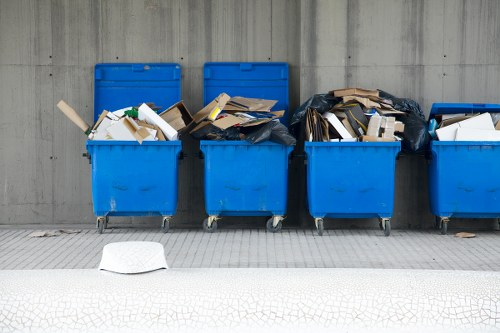
Commercial waste removal in Plaistow helps businesses keep premises workable, presentable and easier to manage when rubbish, packaging and bulky items build up through day-to-day trading. Our service is set up for regular and one-off clearances, with practical handling of mixed commercial refuse, office contents, shop fit-out waste and other non-domestic loads that need prompt attention. The focus is on safe collection, sensible sorting and responsible disposal, so you can get the space back without turning waste into a distraction from the working day.
We support customers who need a straightforward way to clear items that are too awkward, too bulky or simply too much for normal bin collections. That can include desk units, shelving, stock packaging, display materials, broken fixtures and general rubbish from refurbishments or routine changes. If you need to compare options before you decide, take a look at our pricing and quotes information and then request a quotation in your own time.
For businesses that want a broader clearance service, we can handle related waste streams through a planned collection rather than a piecemeal approach. Useful access details such as item type, approximate volume and any loading restrictions help us match the right approach to the job, but the service itself is designed to stay practical and unshowy. If you already know what needs moving, a quick enquiry is often enough to start the process.
Clearance for offices, shops and workspaces
Office and workplace clearances usually need a tidy sequence rather than hurried lifting. We remove items such as chairs, tables, partitions, cabinets, monitors, loose paperwork for secure shredding, and mixed rubbish from stores, storerooms or back offices. When a space is being reconfigured, this kind of waste removal helps keep the rest of the site usable while the clearance is carried out in sensible stages.
Commercial premises often produce waste that is not suited to ordinary household-style disposal, especially where packaging, fittings and redundant furniture are mixed together. Our service can separate those items so that recyclable material, reusable components and general waste are dealt with appropriately. For businesses wanting to understand how we approach different types of load, the business waste removal page gives a useful starting point before you ask for a quote.
If your premises include a reception, trading floor, office suite or small workshop, the main decision is usually how much needs to go and how quickly the area needs to be cleared. We keep the process direct by focusing on the items themselves rather than overcomplicating the arrangement. When a load contains both furniture and general rubbish, it is often better to plan one visit than to split the job unnecessarily.
Items we can remove from commercial premises
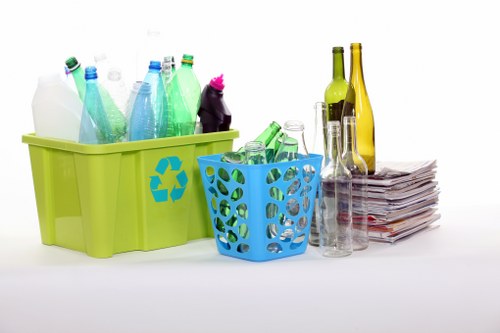
Many enquiries start with a list of what is taking up space. Commercial waste removal can cover a wide range of items, from damaged office furniture to old display fittings and surplus stock packaging. The work is not limited to one type of business, so it can suit premises that need a tidy reset after a change in layout, a closure, a stock rotation or a straightforward clear-out.
Common examples of commercial items handled through this service include:
- office chairs, desks and cabinets
- shop fittings, shelving and counters
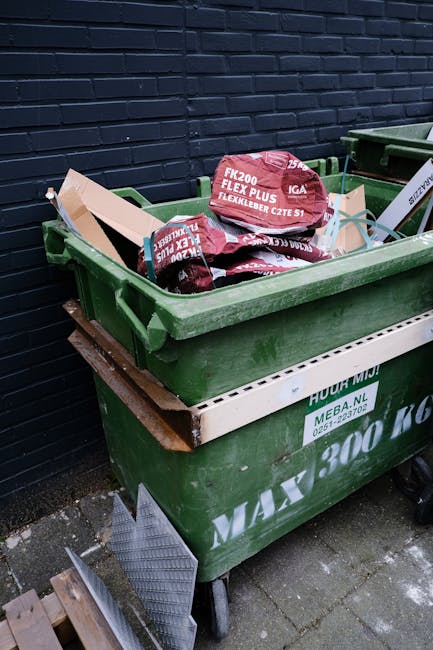
- cardboard, wrapping and packaging waste
- broken small appliances and loose metal items
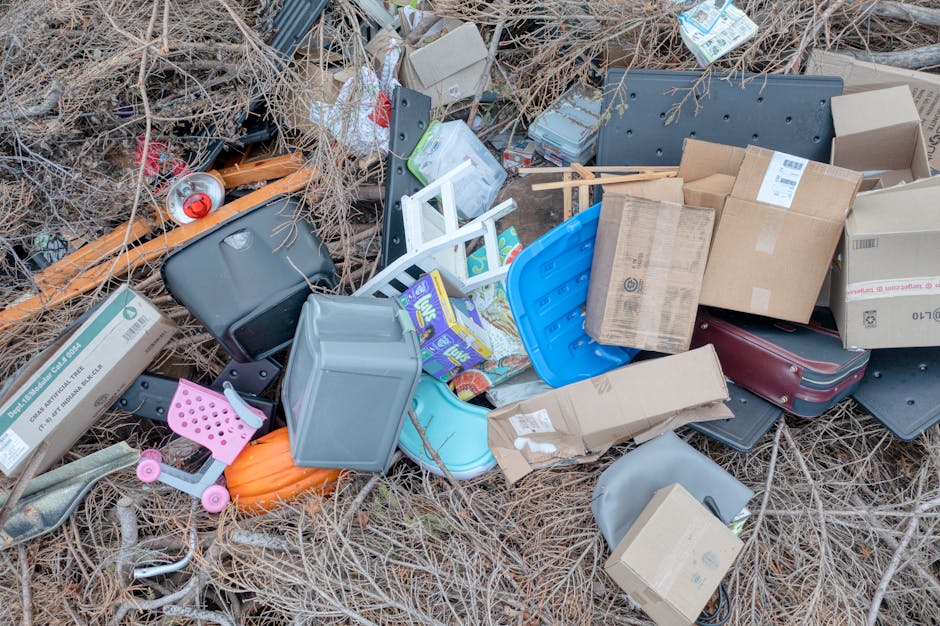
- mixed junk from storerooms, basements and back areas
Where items are unusually heavy, awkward or mixed with waste that needs more careful handling, it helps to say so early. That allows the collection to be planned around safe movement and sensible loading. Clear item descriptions tend to produce a more accurate quotation and a more efficient visit, especially where the load includes furniture, equipment and general waste together.
Office clearances and workspace reset
Office clearances can range from a few redundant pieces to a more involved removal of furnishings and loose waste. We can take away desks, filing cabinets, chairs, pedestals, monitors and miscellaneous office clutter as part of a practical clearance that leaves the room easier to use. This is particularly useful when departments are being reorganised, furniture is being replaced or storage areas need to be reduced to a manageable state.
Some office waste is straightforward, while other items may need more careful handling because of weight, shape or mixed contents. Our approach is to separate the obvious categories and remove them in a sensible order rather than treating everything as one undifferentiated pile. If you want to understand more about related services, our office clearance page covers the kind of work usually involved in a workplace clear-out.
Good preparation is simple: a brief list of what needs removing and a note of any access limitations is usually enough to begin. There is no need to overprepare the site. The aim is to keep the process manageable, whether the task is a single room, a suite of offices or the emptying of a small commercial unit before new use.
Furniture, fixtures and bulky items

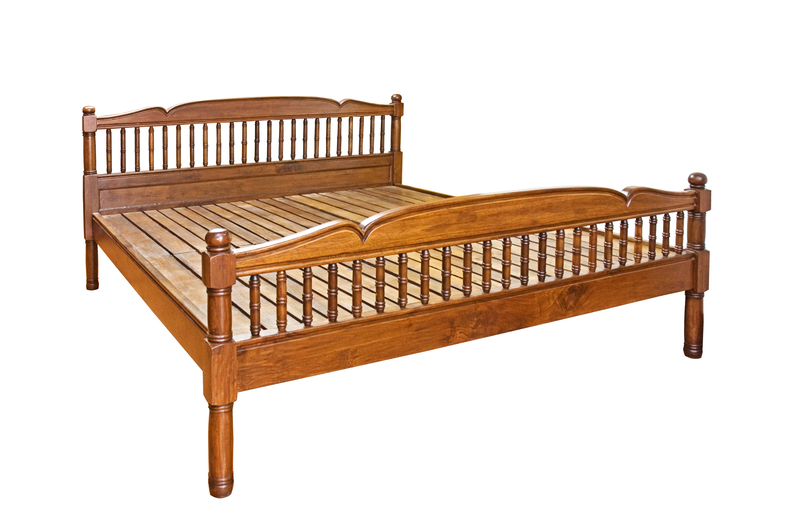
Bulky furniture and fixed or semi-fixed items often create the biggest bottleneck in a commercial clearance. When desks, chairs, shelving, counters or reception furniture are no longer needed, they can quickly occupy storage space and make a room awkward to use. Removing them as part of a structured waste collection means the rest of the site can be cleaned, rearranged or handed over more easily.
We also deal with a range of related bulky items that are common in commercial settings, including redundant cupboards, fitted shelves, loose partitions and other pieces that are awkward to dispose of through ordinary collections. The same applies to items that have been damaged in transit or replaced during a fit-out. Where furniture disposal is the main task, the furniture disposal page is a useful place to review the type of work that falls within this category.
For businesses making space for new stock, new staff layouts or a refurbishment, the key question is often whether the items are going, being replaced or simply moved out of the way. A clear answer helps shape the collection. Mixed furniture loads are usually easiest to handle when they are grouped together and described plainly, rather than split into separate fragments of information.
Waste streams that need different handling
Not every commercial load is the same. Some waste can be sorted quickly, while other items call for a more specific disposal route because of material, size or condition. Commercial waste removal in Plaistow can include mixed loads where cardboard, broken fittings and general rubbish sit alongside reusable items, as well as separate collections where the waste type is more clearly defined from the outset.
For example, appliance items and larger domestic-style objects used in business settings may require a different handling process from plain office rubbish. If you are dealing with old fridges, broken equipment or other awkward materials, our fridge and appliance removal service page is a sensible reference point before you request a quotation. It helps keep the waste stream clearer and avoids unnecessary confusion over what is included.
One practical benefit of separating waste types is that it can make the final clearance more orderly and easier to schedule. That matters most when a business is trying to clear one area without disrupting the rest of the premises. Where possible, it is helpful to group similar items together, but we can still work from a straightforward description if the load is mixed.
About Plaistow
Plaistow is an area in the London Borough of Newham, in the East End of London, with a history shaped by roads, industry, rail and dense urban development. It lies to the east of Stratford and west of Canning Town, and its character has long reflected the wider changes of east London from marshland and market gardening to suburban streets, workshops and later regeneration. The name appears in records from the medieval period, and the district developed steadily as London expanded beyond the old city boundaries. Today Plaistow is closely associated with a mixture of terraced housing, local shops, community facilities and transport links that connect it with neighbouring parts of Newham and the wider capital. The area is served by Plaistow Underground station on the District and Hammersmith & City lines, which places it within the everyday commuting geography of east and central London. Green spaces nearby include West Ham Park, one of the larger parks in the borough, and the broader surrounding landscape is influenced by the Lower Lea Valley and the network of waterways, roads and rail lines that run through east London. Like many parts of Newham, Plaistow combines older street patterns with later rebuilding and renewal, so its built environment can shift from Victorian terraces to post-war housing and more recent commercial premises within a short walk. That layered character gives the area a lived-in urban quality, with small centres of activity, local institutions and everyday routes shaping how people move through it.
How commercial clearances are organised

Commercial waste removal works best when the load is approached in a sensible order. The aim is to identify what is being removed, what needs careful handling and what can be taken away as general waste. That means the collection can be carried out with less disruption to trading spaces, corridors and shared access points. A good arrangement usually starts with the practical details, not with unnecessary complexity.
When you are ready to ask for a quotation, it helps to mention the main item groups, the floor or level involved and whether access is straightforward. If there are tight stairways, loading bays, shared entrances or time-sensitive arrangements, those details are worth including. You can also use the book online page if you want to move from enquiry to arrangement in a simple way, once you know the basics of the job.
Two things make the biggest difference to planning: the amount of waste and the ease of access. If the space is awkward, it does not automatically make the job unsuitable; it simply means the collection needs to be set up with the right expectations. A clear description usually saves time at the quotation stage and helps the work run more smoothly on the day.
Business waste and recycling choices
Commercial rubbish is often made up of different materials, and not all of them need to be treated in the same way. Business waste removal can include items that are suitable for recycling, along with general waste that has no further use. Where a load contains cardboard, metal, plastic or reusable fixtures, sorting those items sensibly can improve the overall clarity of the job and reduce unnecessary disposal complications.
Businesses that want to understand the broader handling of waste and resource recovery can review our recycling and sustainability information. It gives a useful overview of the kind of thinking that sits behind a well-organised clearance, without turning the process into a lecture. The point is to dispose of what needs to go while keeping recyclable material in mind where that is appropriate and practical.
Recycling decisions are easiest when the load has been described honestly and plainly. That way the quotation can reflect the actual work rather than an uncertain estimate. Good communication is often the simplest route to a tidy result, especially when a business is dealing with mixed loads from storage, office changeovers or routine clean-outs.
Making an enquiry and setting up the collection
A clear enquiry usually starts with the simplest facts: what needs removing, where it is located and whether there are any access issues to note. You do not need to write a long explanation. A short description of the waste type, together with an idea of volume, is usually enough to help us prepare a sensible quotation. If the job has several parts, it can still be described in one message rather than broken into separate requests.
Some customers prefer to attach photographs or list a few main items, while others just describe the clearance in words. Either approach can work, as long as the information is accurate. If you would like to move straight to the quote request, please use the contact us page and send the details there. We will then treat it as a straightforward request for commercial waste removal in Plaistow.
When you are ready, gather the key details, ask for your quotation and send the message in one go. That keeps the process simple and gives a better basis for arranging the right type of collection. Request a quotation today and let us help clear the waste from your premises with a practical, professional service.
Common commercial waste situations
Businesses often need waste removed at moments that are more practical than dramatic: after a stock change, before a refurbishment, when a storage area becomes congested or when furniture is being replaced. In those cases, the value of the service lies in taking the job seriously without making it feel complicated. The work can be tailored to the nature of the waste rather than to a rigid script.
Some clearances involve mostly light refuse such as cardboard and packaging, while others contain heavier pieces like desks, cabinets or mixed fixtures. A small workshop may need old shelving and scrap materials removed, whereas a retail unit may be clearing display items and redundant stock fittings. The service stays useful because it can be adapted to what is actually there rather than to a fixed list of assumptions.
Where several waste types appear together, it is usually best to keep them grouped by category if that is easy to do. If not, a plain description will still help. The aim is always to make the collection understandable, so the right approach can be planned without delay.